Societies need to review their social policies to raise the quality of life of elderly and disabled individuals in need of care and to enable them to sustain their lives in a manner worthy of human dignity. A comprehensive and holistic infrastructure that meets the needs of these individuals is of great importance in terms of ensuring social justice and protecting human rights.
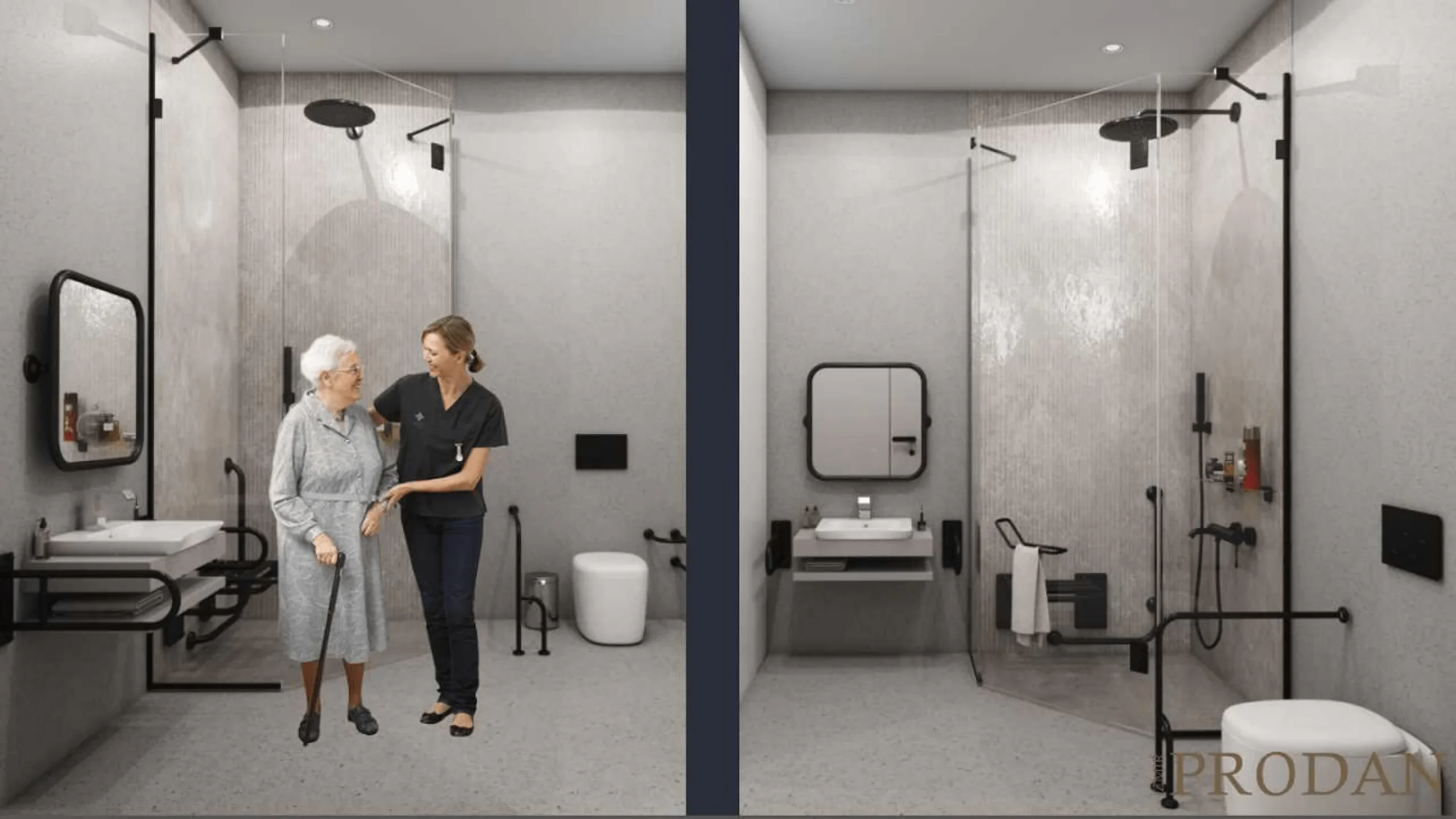
Firstly, the development of physical infrastructure is necessary. Roads, buildings, public transportation vehicles, and public spaces suitable for the disabled appear as elements that facilitate the daily lives of these individuals. Accessibility must be ensured not only in physical but also in digital environments; thus, disabled individuals' access to information and communication opportunities can be increased.
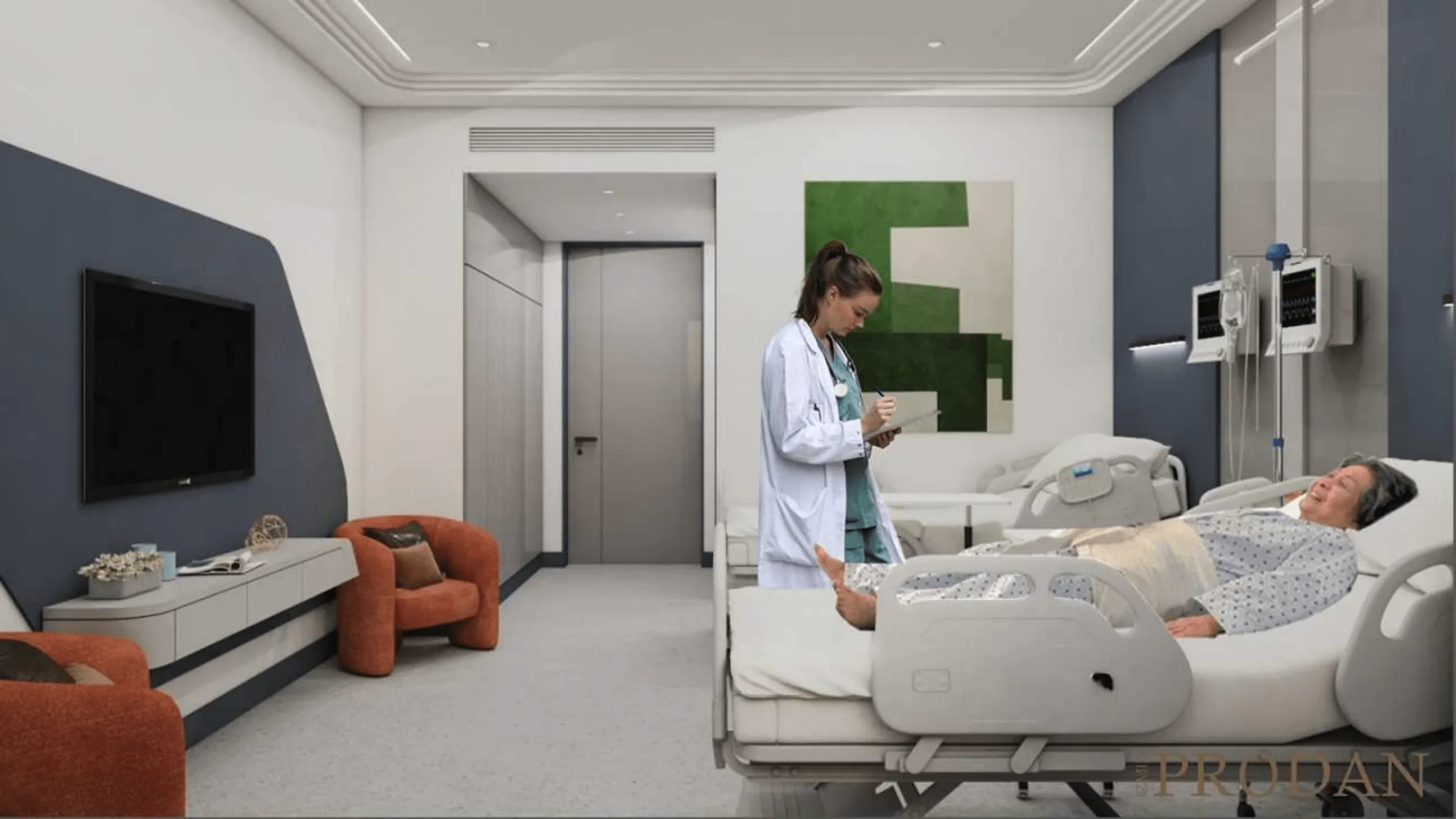
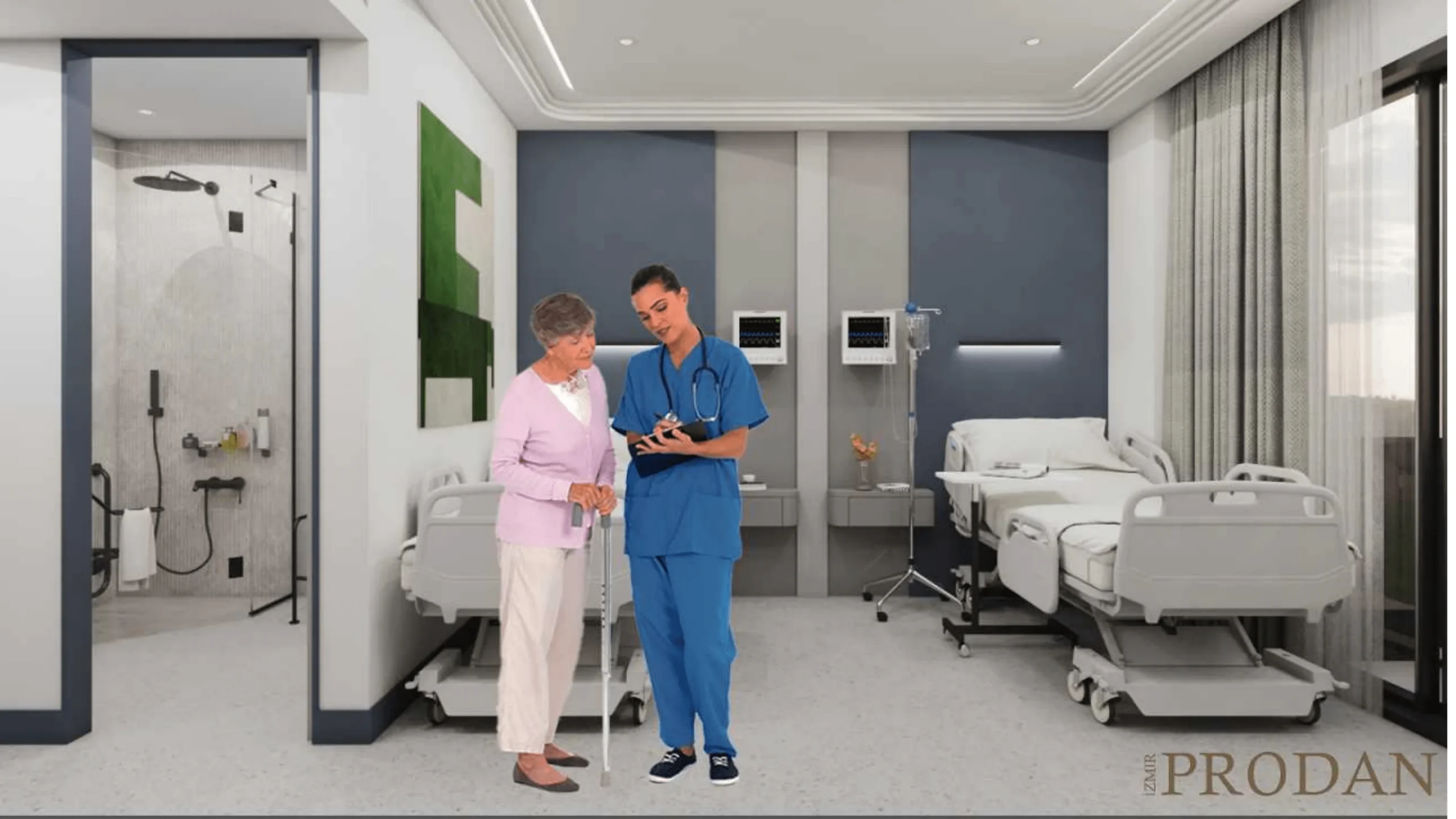
Health services are vital for elderly individuals and those in need of care. Health institutions must be of a quality to meet the special requirements of different disability groups. Innovative solutions such as home care services and mobile health services play a supportive role in terms of these individuals sustaining their independence and quality of life.
Education and employment opportunities are other important infrastructure elements that support the full participation of these persons in society. Employers can create an inclusive workforce and offer equal opportunities by adapting working environments for disabled individuals. Educational institutions, on the other hand, should enable disabled individuals to develop their talents by creating special education programs aimed at them.
Finally, social awareness-raising activities are important to ensure the social acceptance and support of these individuals. Media, non-governmental organizations, and public institutions must work jointly to inform all segments of society about the living conditions of the elderly, those in need of care, and disabled individuals.
In summary, sustaining the lives of elderly individuals, those in need of care, and disabled individuals in a manner worthy of human dignity requires a comprehensive infrastructure and a holistic approach. Improvements in physical, health, education, and employment areas and social awareness-raising activities play a critical role in achieving this goal.
The basic features that such infrastructures should possess can be listed as follows:
These features are the most fundamental elements required to offer a peaceful, independent, and dignified life for individuals in need of care, the disabled, and the elderly. Societies need to offer sensitive and integrated solutions to increase the quality of life of these individuals.
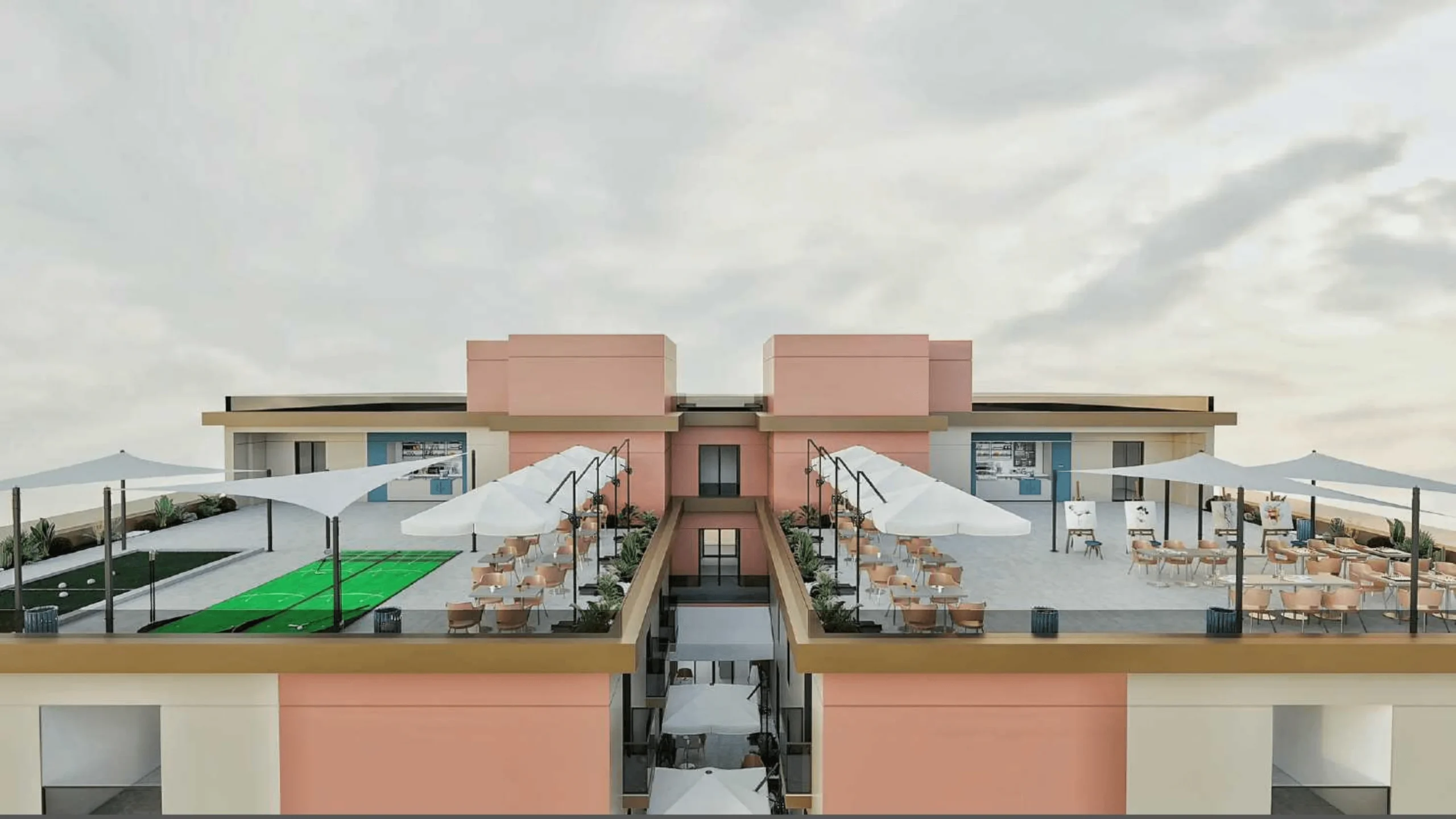
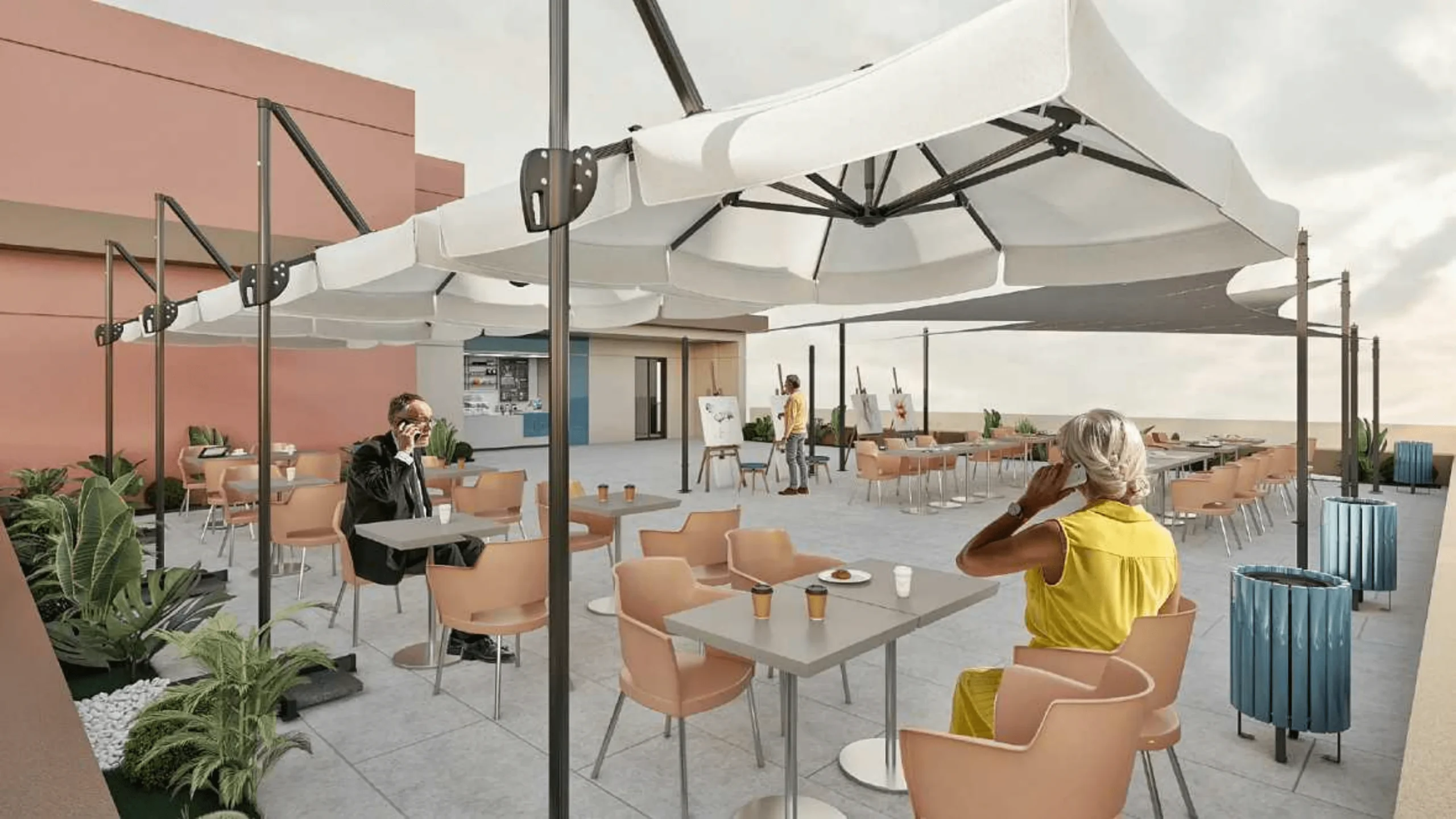
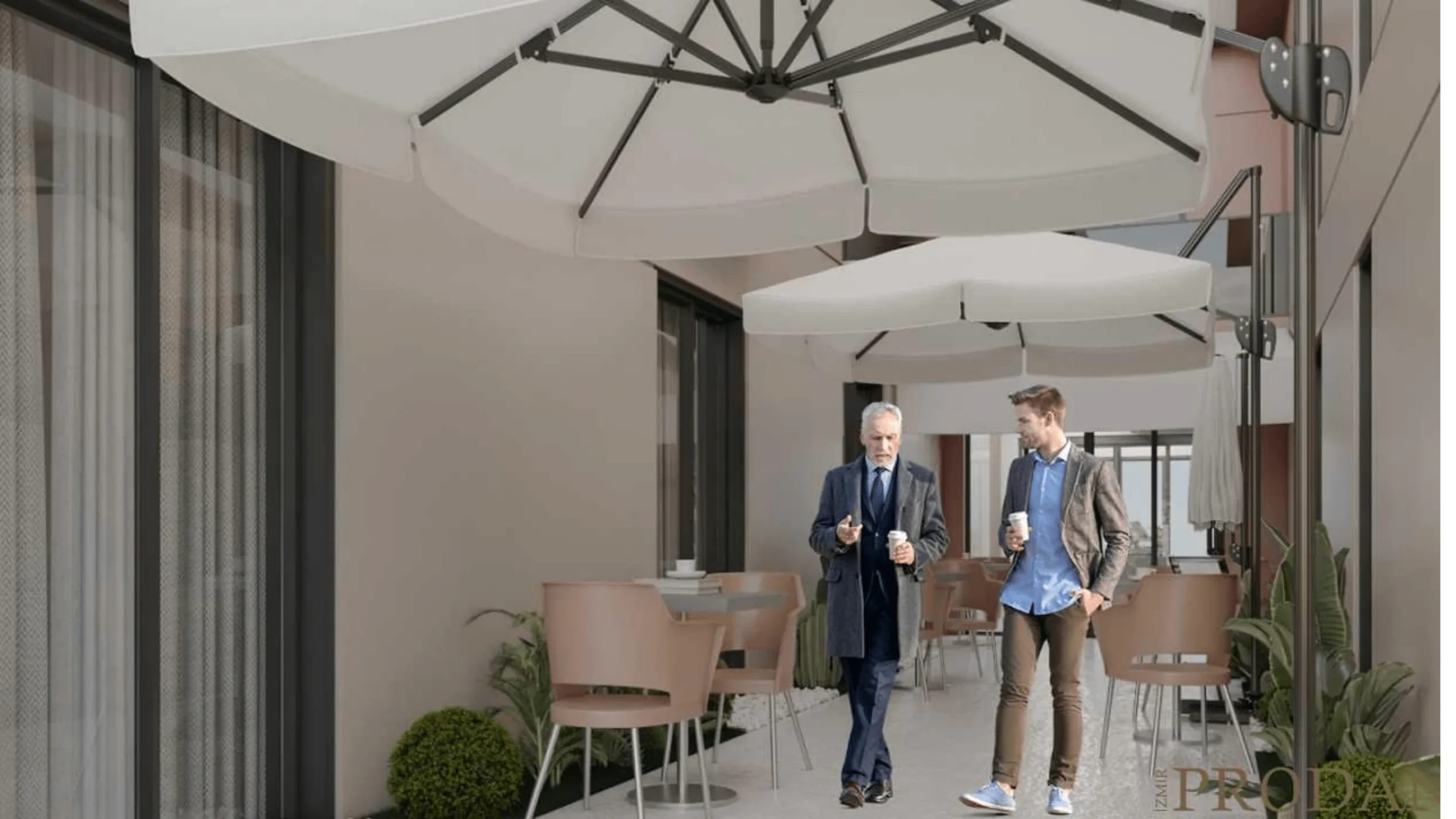
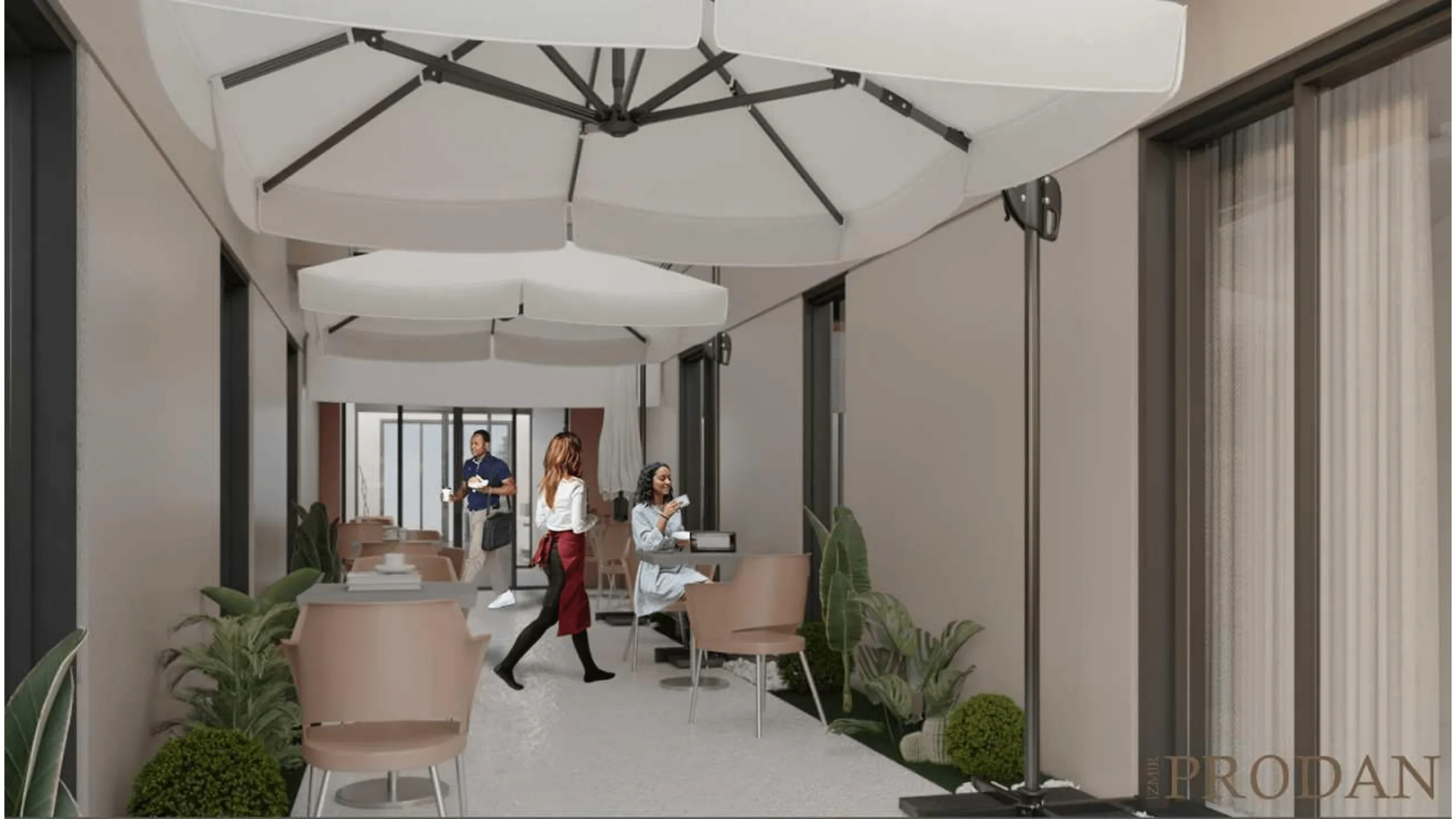
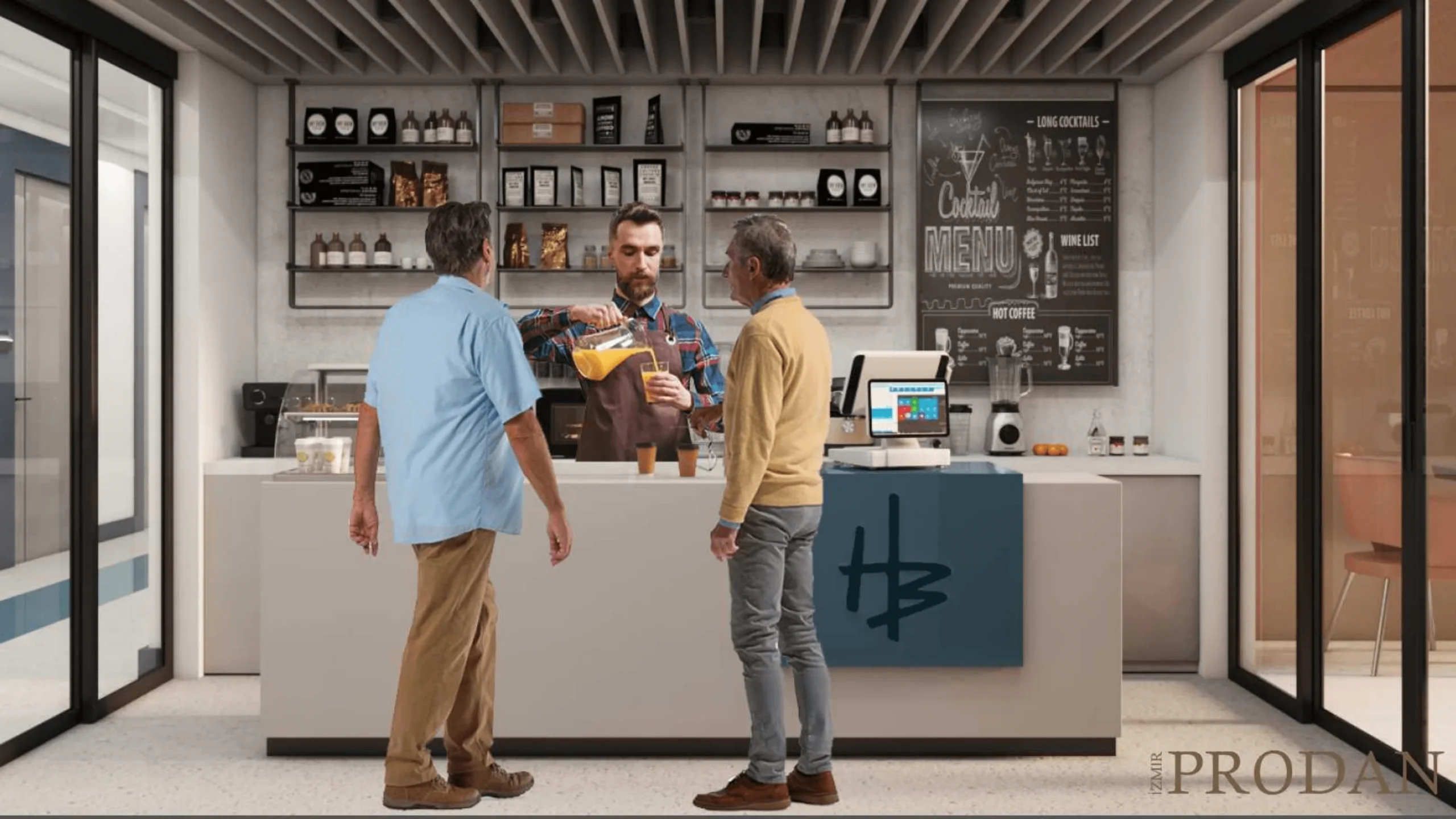
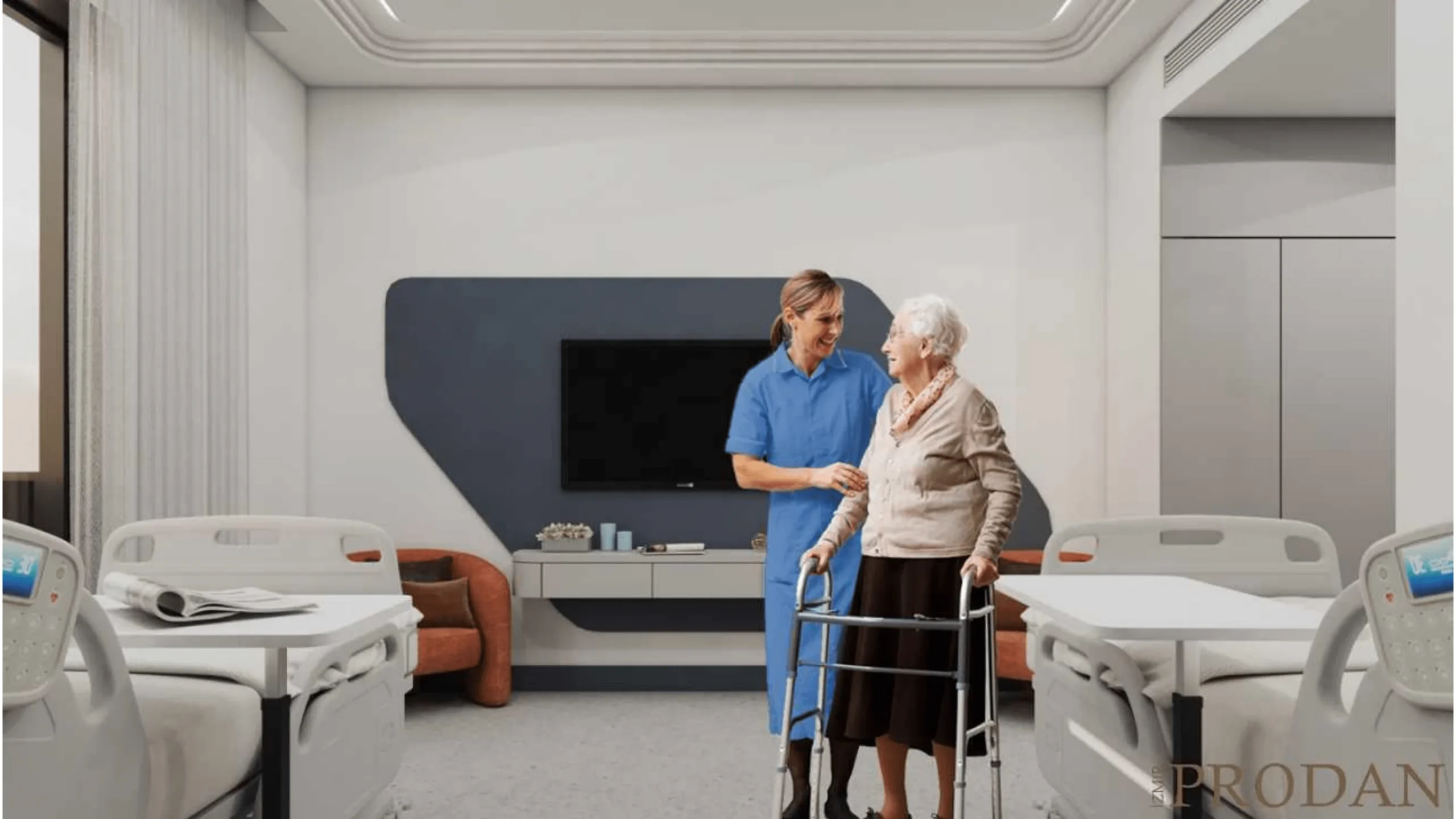
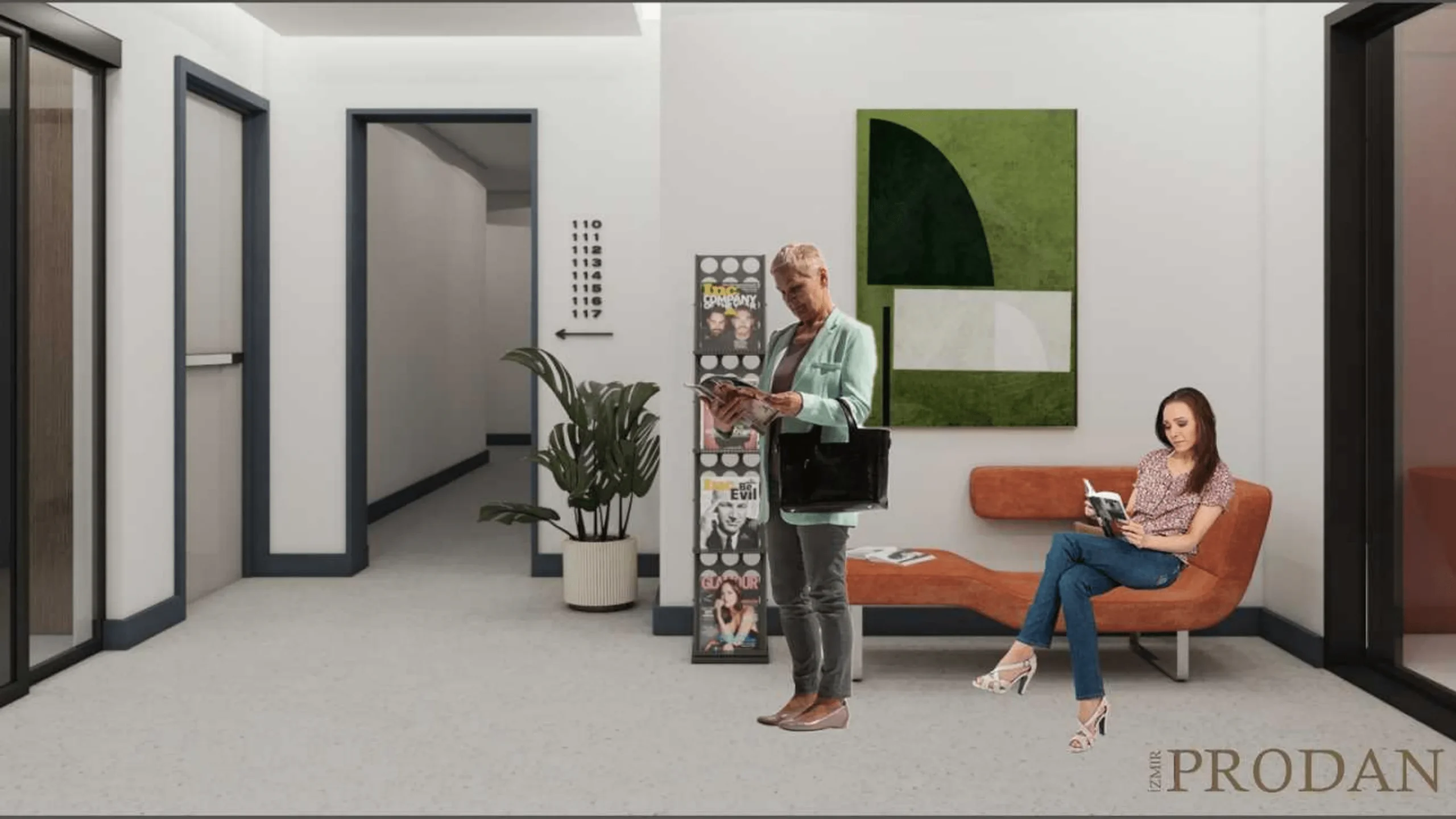
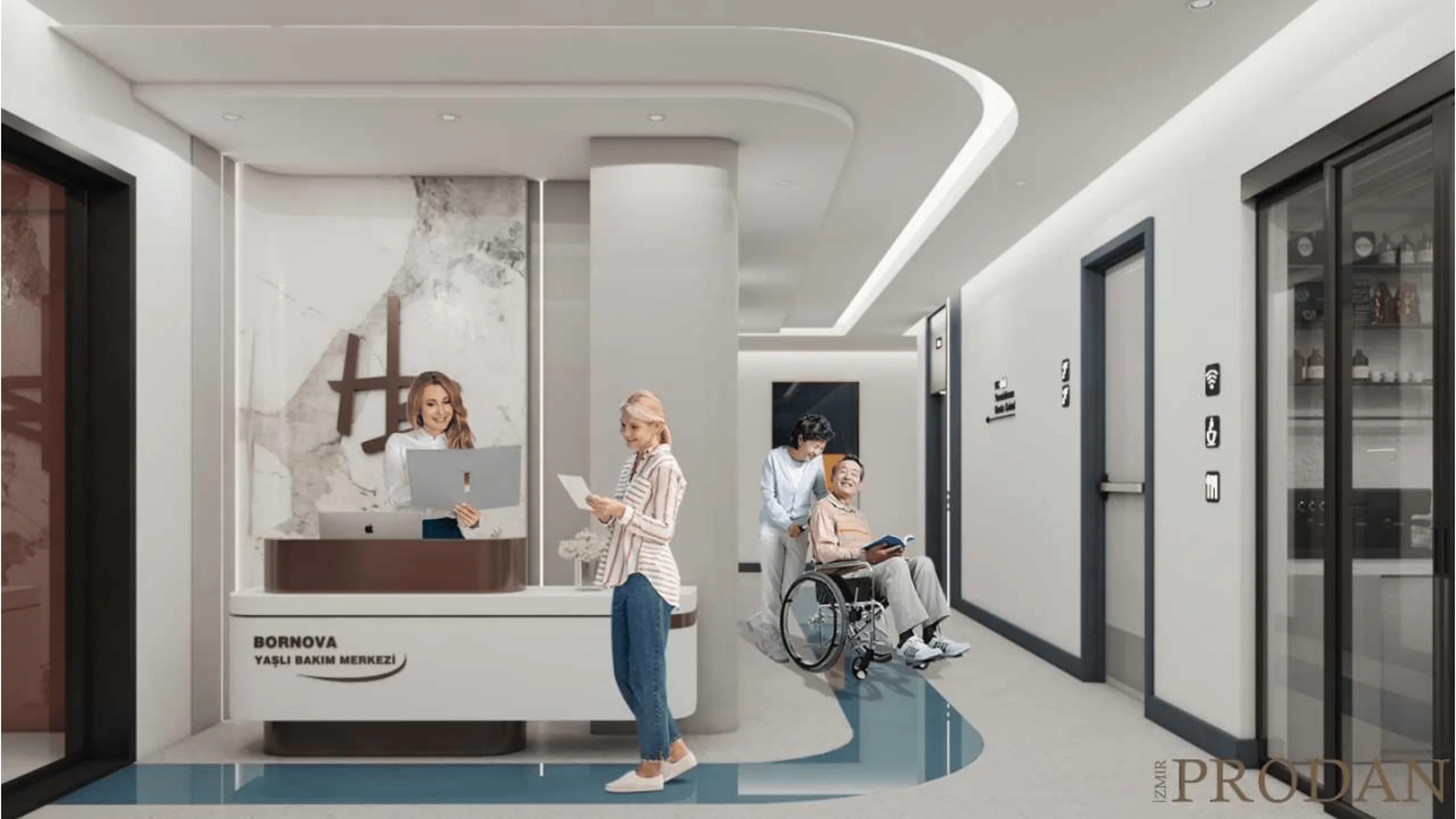
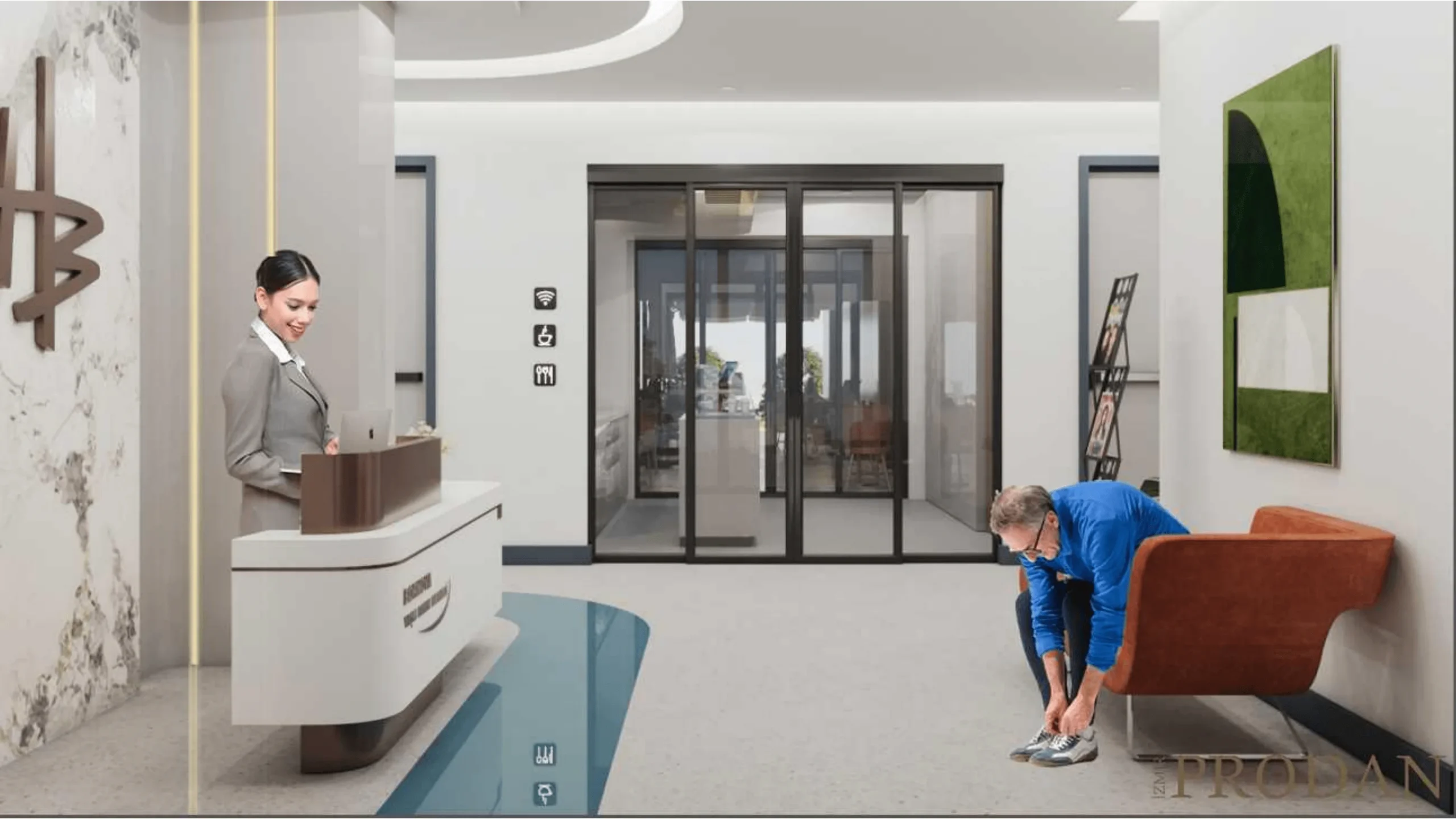
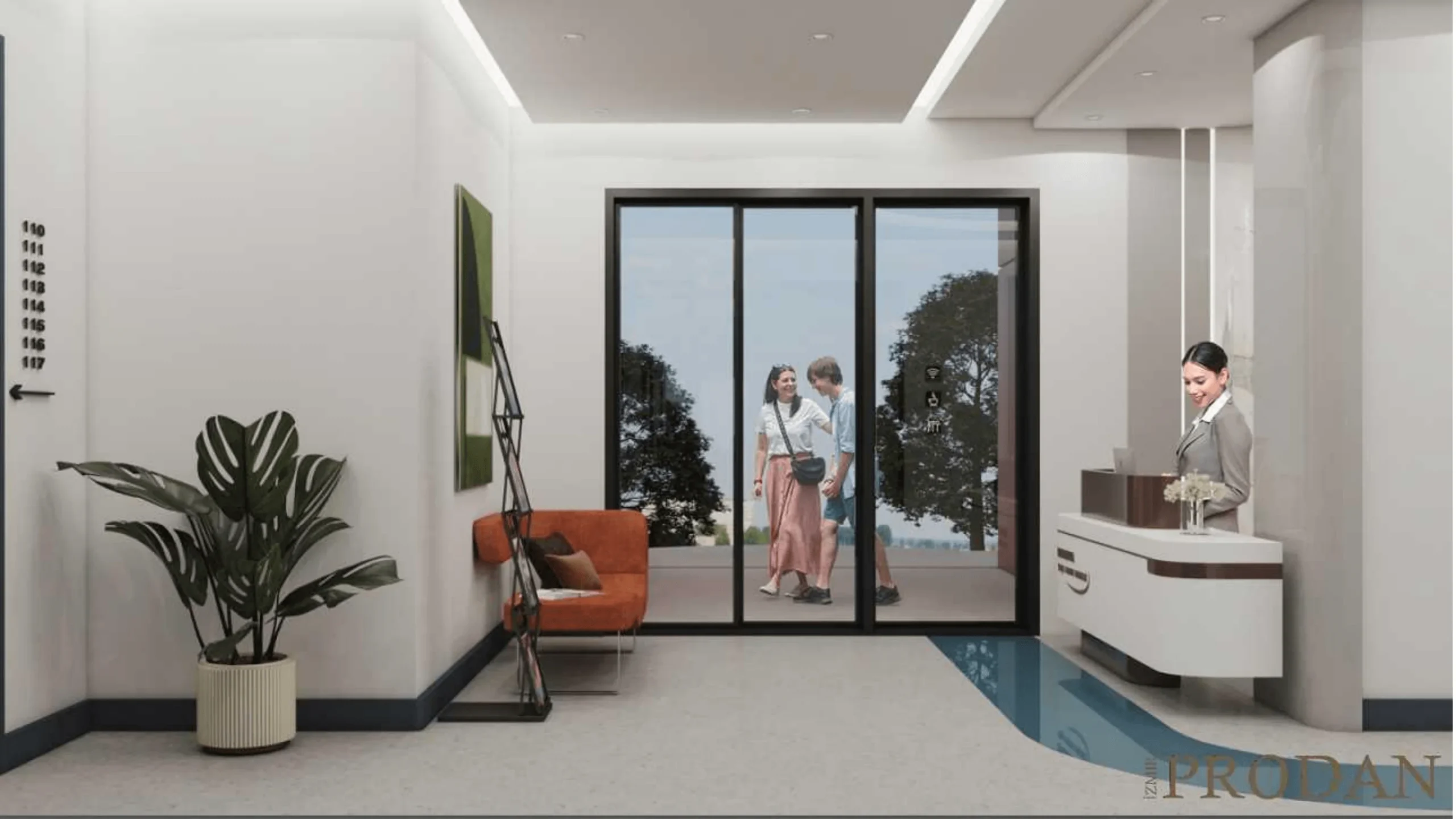
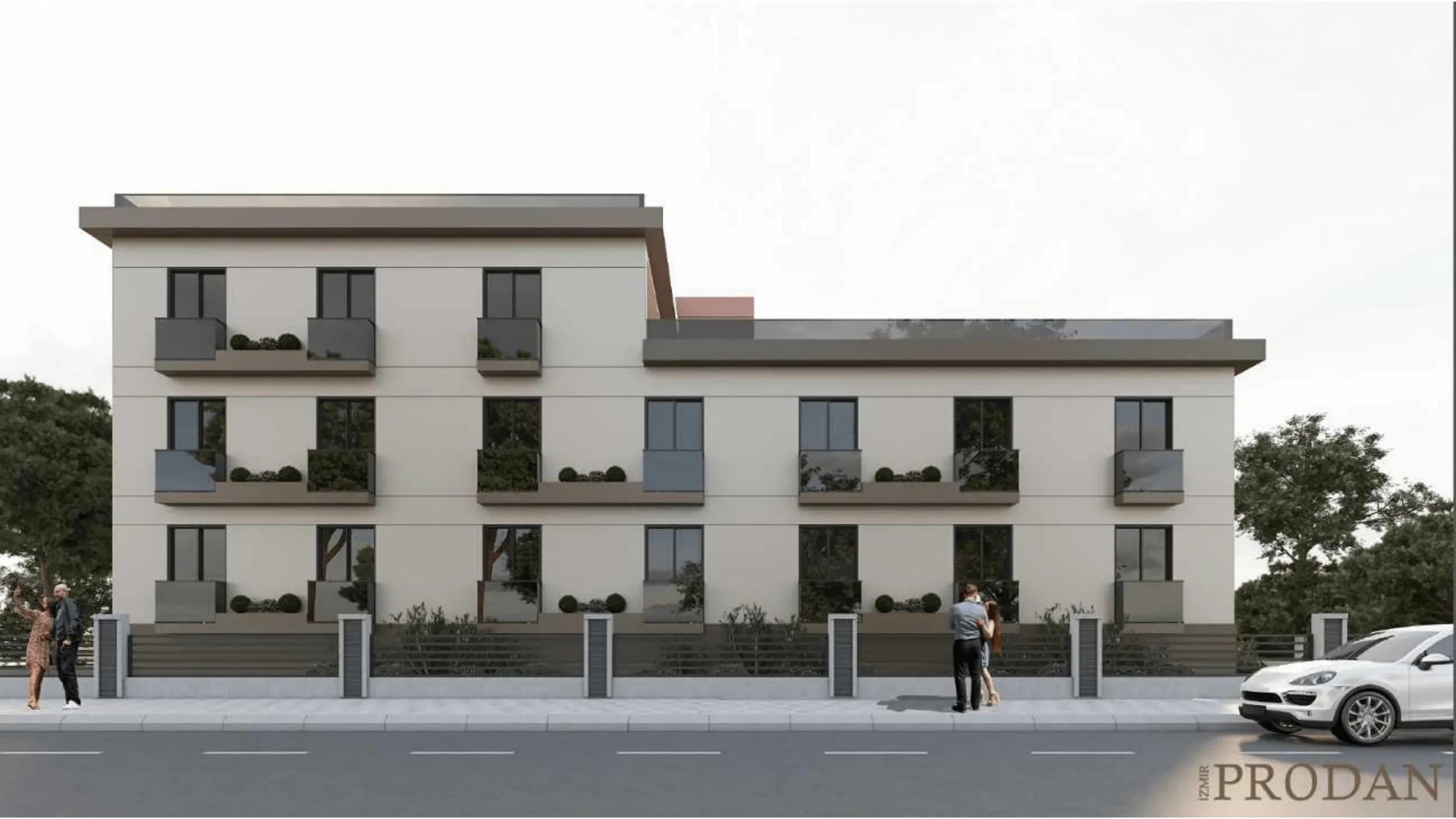
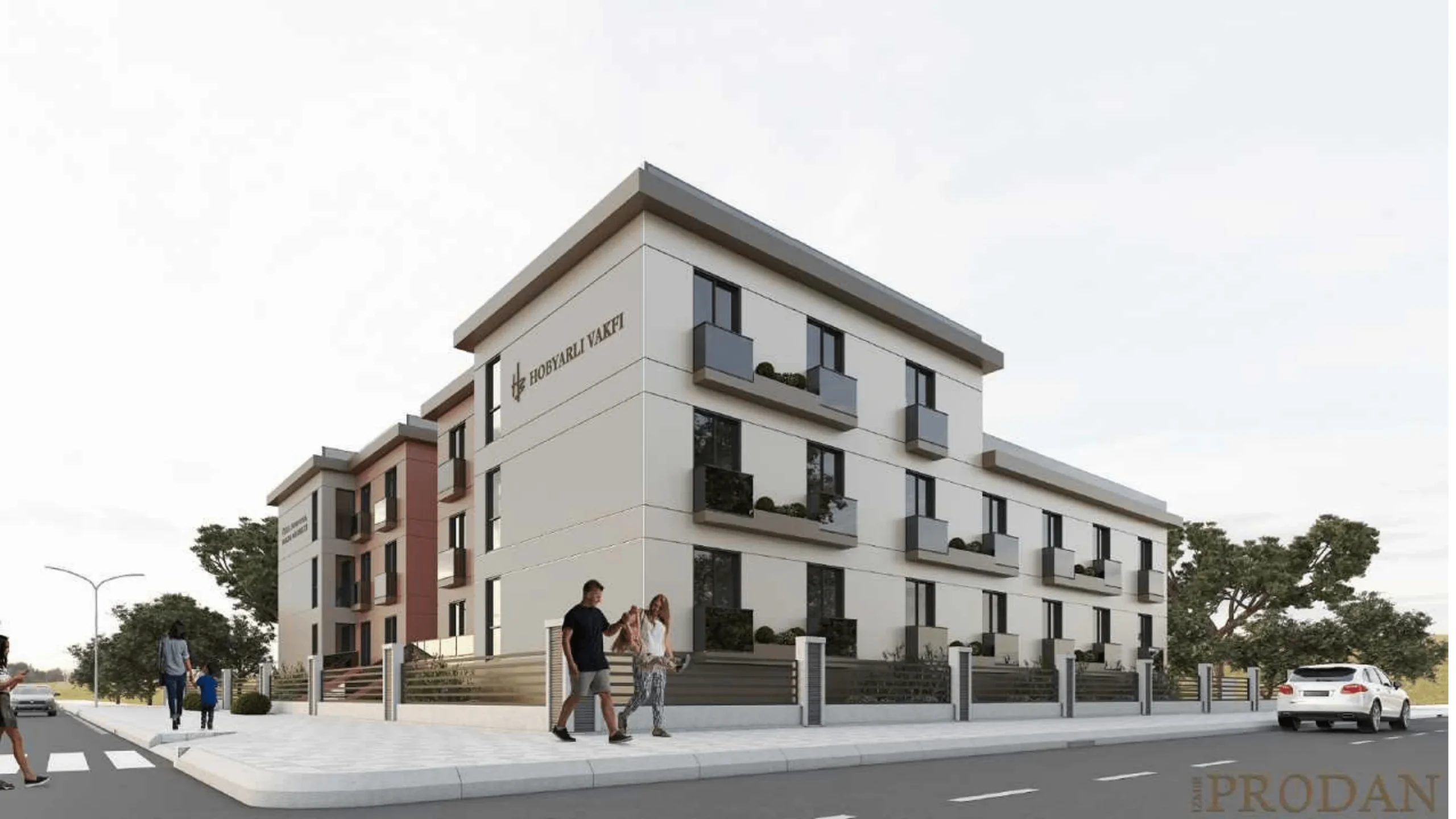
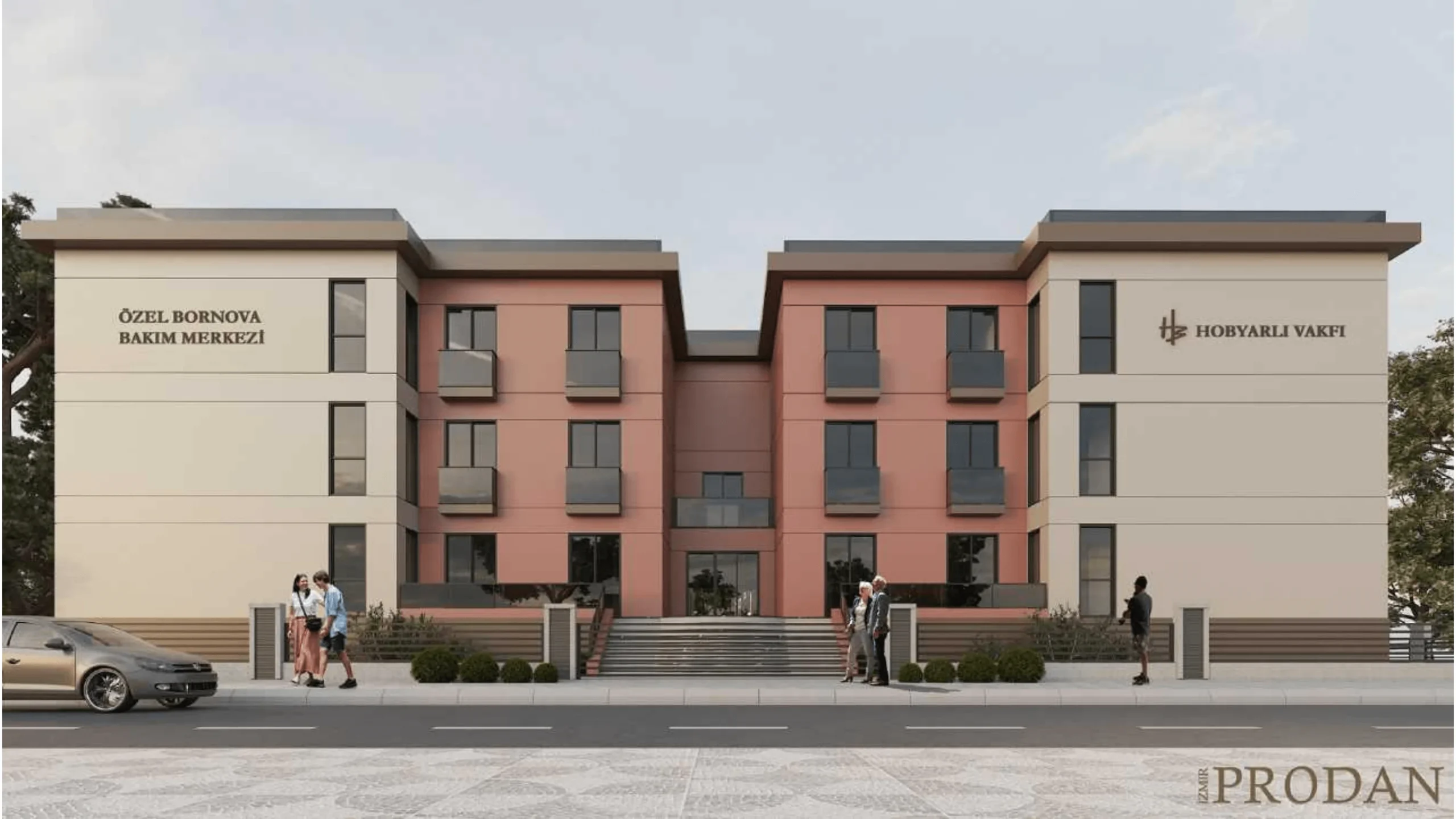
Bornova Care Center, in addition to possessing an effective physical and technical infrastructure containing all features determined above regarding the care of elderly and disabled persons and a team experienced in geriatrics and disabled health, will always bear the responsibility of being planned, meticulous, fair, and compassionate as it is managed by the Hobyarlı Foundation, which was established to perform charity in 1740, by taking social, health, and education elements into its center.
In the next step, it is planned that a real estate property owned by the Foundation will serve as a new infrastructure mechanism for this Ecosystem for entrepreneurship and innovation events that stand out in the Education world.





 Türkçe
 English